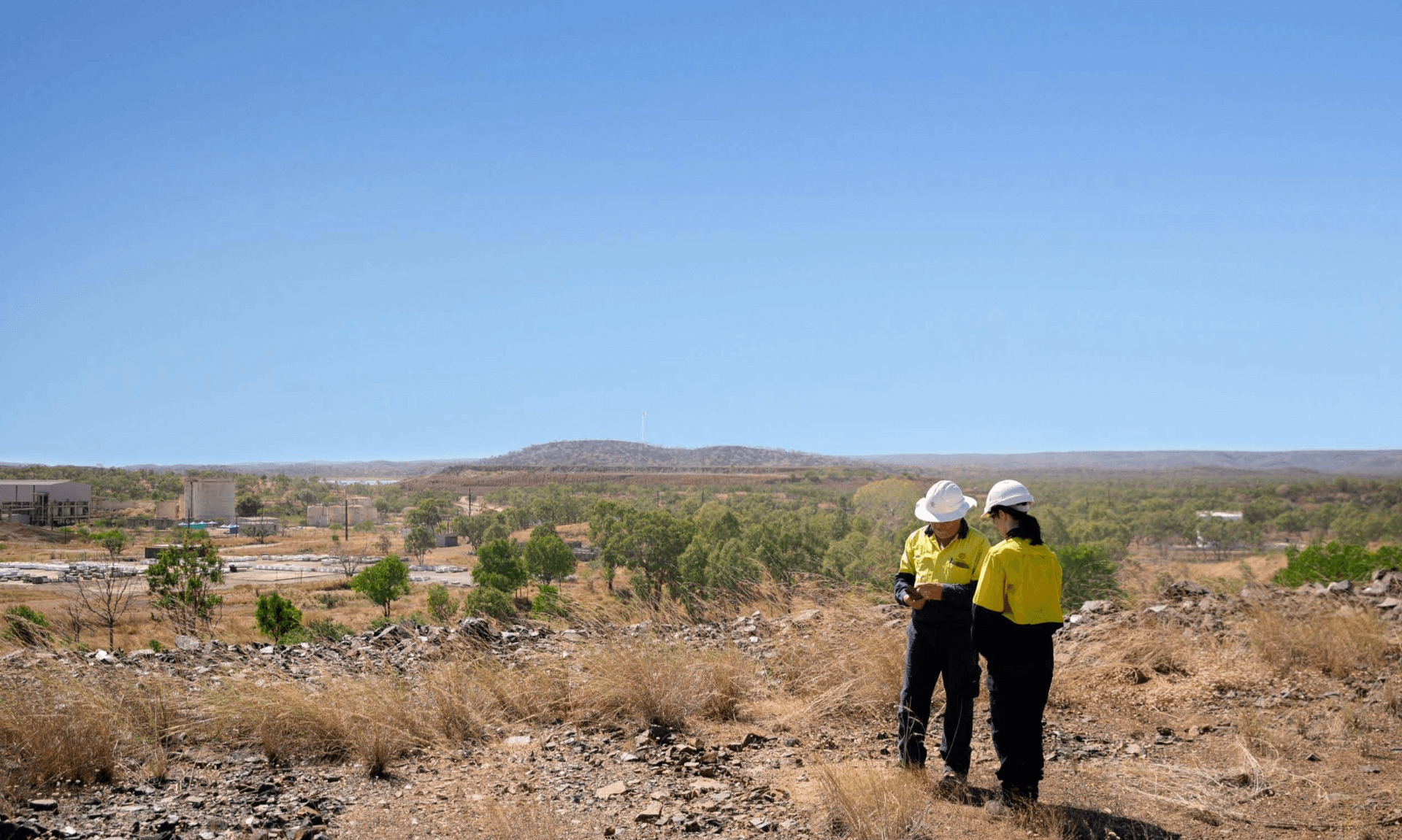
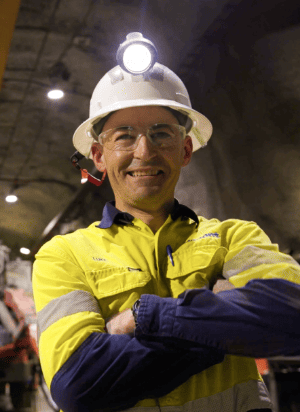
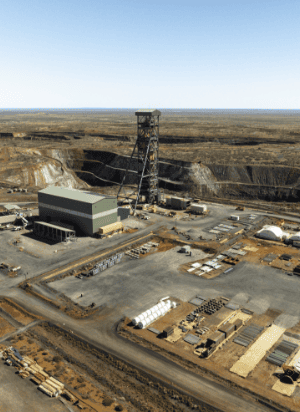

Behind every mine is a network of people, businesses and communities.
From exploration through to operations, the Territory’s minerals sector supports local suppliers, skilled careers and community organisations across the NT.
Its contribution can be seen in businesses building capability, workers creating opportunities for their families and local organisations delivering health, education, cultural and environmental initiatives.
Behind every mine is a bigger story of local opportunity and stronger communities.
The difference Territory mining makes
Contribution to the
NT economy
Local NT businesses
supported through
supply chains
In direct
NT spending
Spent with
local suppliers
Total workforce,
including contractors
Contributed to 95 NT
community organisations

The Territory’s minerals sector contributes far beyond the mine site.
In 2024–25, it contributed an estimated $2.4 billion to the NT economy, including $1.2 billion in direct spending. That contribution supports Territory businesses, supply chains, workers and communities. It also generates further economic activity as businesses and households spend across the NT.
Source: Lawrence Consulting, Northern Territory Minerals Sector Economic Contribution Study 2024/25, May 2026.

Territory businesses provide the goods, services and expertise that keep the minerals sector moving.
In 2024–25, the sector supported 859 local NT businesses through its supply chains and spent $617.4 million with local suppliers.
That spending helps Territory businesses build capability, support local jobs and compete for future work. Strong local supply chains also help keep more minerals-sector activity and opportunity in the NT.
Source: Lawrence Consulting, Northern Territory Minerals Sector Economic Contribution Study 2024/25, May 2026.

The contribution of Territory minerals can be seen in the organisations and initiatives supporting local communities.
In 2024–25, minerals companies contributed $6.2 million to 95 NT community organisations across health, education, the environment and the arts.
That support helps local organisations continue delivering programs and services that bring people together and strengthen Territory communities.
Source: Lawrence Consulting, Northern Territory Minerals Sector Economic Contribution Study 2024/25, May 2026.
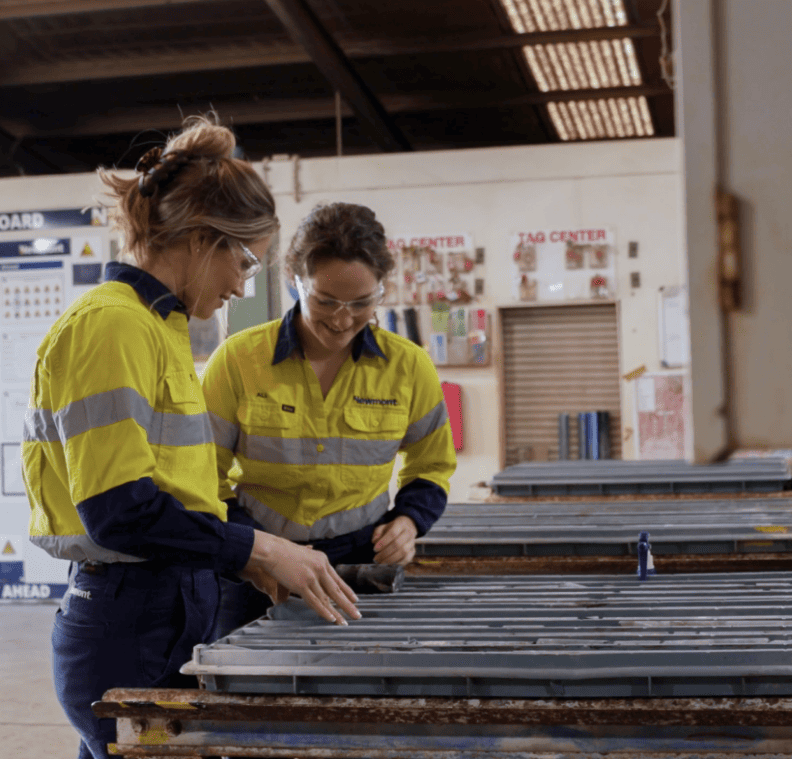
Behind the Territory’s minerals sector are thousands of people with the skills to keep projects and operations moving.
In 2024–25, the sector supported a total workforce of 5,447, including contractors. Among direct full-time resident employees, the average annual salary was $173,984.
These are skilled, well-paid roles that provide career pathways and help build the workforce the Territory needs for future growth.
Source: Lawrence Consulting, Northern Territory Minerals Sector Economic Contribution Study 2024/25, May 2026.
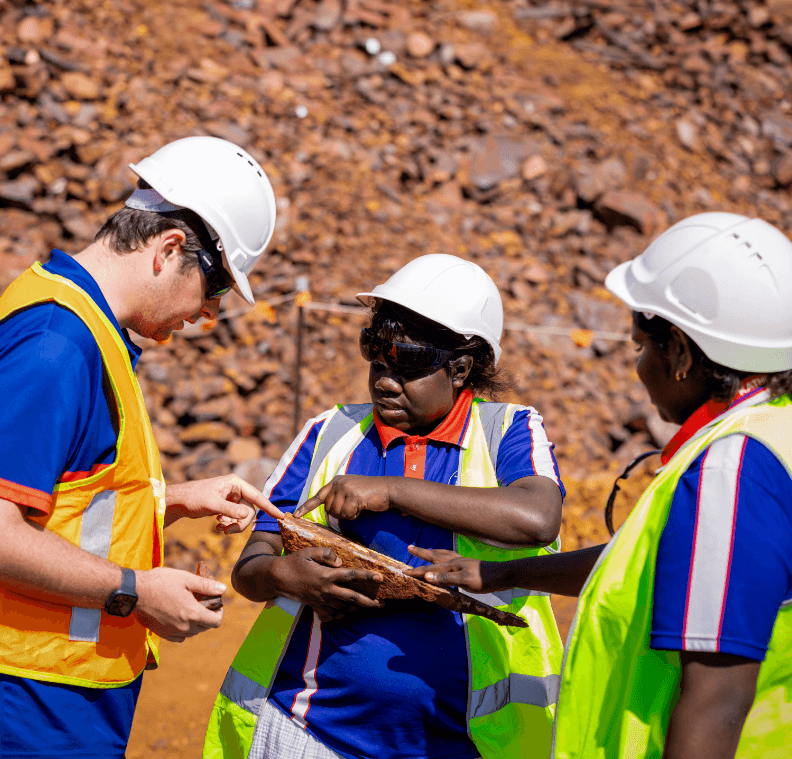
The minerals sector begins long before production. Exploration helps identify and advance the next generation of Territory projects. It also creates opportunities for the specialists, contractors and suppliers needed to assess and develop future resources.
In the year to March 2026, $130.7 million was spent on mineral exploration in the Northern Territory.
Building the projects and opportunities of tomorrow starts with exploration today.
Source: ABS, Mineral and Petroleum Exploration, Australia, March 2026. The ABS release covers private-sector expenditure during the exploration and evaluation stages.
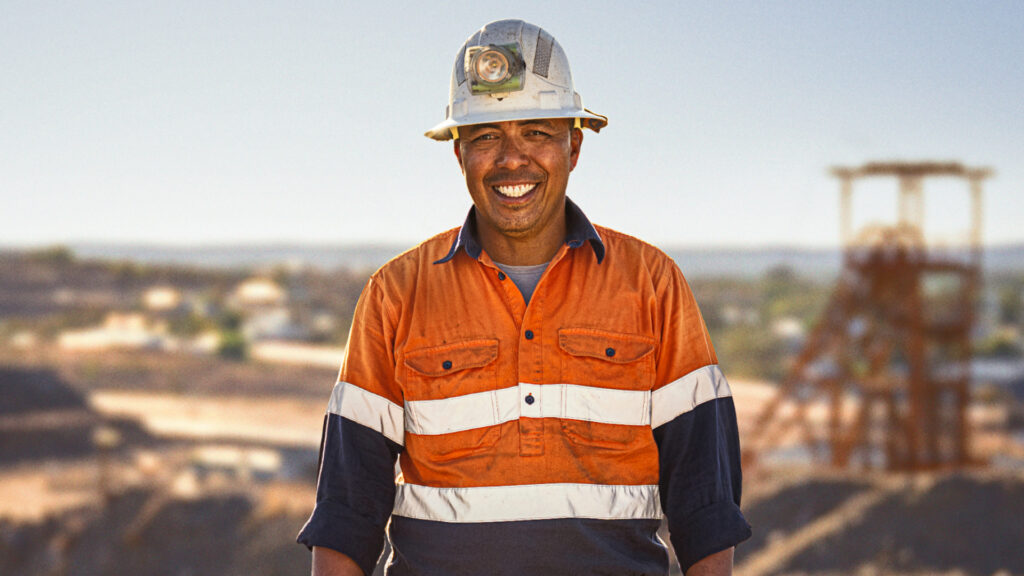

Clear approvals and stable settings can help turn exploration opportunities into new projects and long-term investment.

Stronger training, education and career pathways can help more Territorians access the skilled jobs created by minerals development.

Building the capability of local suppliers can help more project spending and opportunity stay in the Territory.

Better infrastructure, housing and services can help attract investment, support regional communities and make it easier for skilled workers to build a future in the Territory.
Territory Ready sets out a strategy to strengthen the Territory’s minerals industry, build local capability and create more opportunities for Territorians.
From building a skilled local workforce and stronger career pathways to improving liveability, reducing regulatory barriers and strengthening Territory capability, the report identifies opportunities to support long-term industry growth and investment.