
According to the latest government data, the mining industry paid $74 billion in tax and royalties in one year.
This includes company tax paid to the Australian Government and royalties paid to states and territories.
More than any other industry. Enough to fund Medicare.
Hover to learnLearn more about the difference Australian mining makes
Australian mining is Australia’s largest taxpayer by industry, and accounts for 30 per cent of all company taxes.
Australian mining has paid more than $356 billion in taxes over the past decade (2013-14 to 2022-23).
Source: EY, Royalty and Company Tax Payments, released May 20, 2025.
$74 billion in tax and royalties for Australia in one year (2022-23).
In 2023-24, Australia’s resources sector is estimated to have directly spent $275.5 billion in the economy.
Source: Lawrence Consulting, Australian Resource Sector Economic Contribution Study 2023-24, released July 2025.
290,100 jobs and about 11,000 apprentices employed by the mining sector (2024-25).
Source: ABS, Labour Force, Australia, Detailed, Table 06, Employed persons by Industry sub-division of main job (ANZSIC) and Sex, released 18 December 2025. National Centre for Vocational Education Research (NCVER) VOCSTATS, National Apprentice and Trainee Collection, updated 17 December 2025.
For every job in mining, 6 extra jobs are created in related industries.
Source: ATO, Taxation Statistics 2022-23: Company – Table 4 (Selected items, by industry, 2022-23 Income Year). Updated December 9, 2025
EY, Royalty and Company Tax Payments. Released May 20, 2025
Australian mining makes a difference by helping fund healthcare for Australians, when they need it.
From public hospitals to aged care, mental health services and everyday medical technology, mining plays an important role:
 Watch the video to learn more

Australian mining makes a difference by helping students today and building skills for tomorrow.
Mining taxes and royalties help fund schools, training, and future careers.
Mining isn’t just powering industry – it’s helping power the next generation.
Source: National Centre for Vocational Education Research (NCVER) VOCSTATS, National Apprentice and Trainee Collection, updated 17 December 2025.
Watch the video to learn more

Australian mining makes a difference through jobs, skills and opportunity.
Helping build secure livelihoods for Australians. That’s the difference Australian mining makes.
Source: ABS, Labour Force, Australia, Detailed, Table 06, Employed persons by Industry sub-division of main job (ANZSIC) and Sex, released 18 December 2025. National Centre for Vocational Education Research (NCVER) VOCSTATS, National Apprentice and Trainee Collection, updated 17 December 2025.
Watch the video to learn more
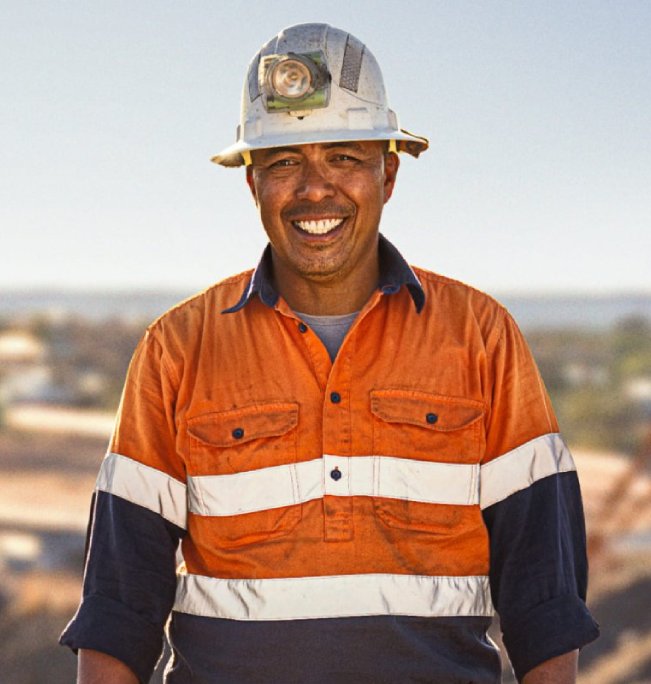
Australian mining makes a difference by investing in local communities.
Helping keep regional towns and families thriving. That’s the difference Australian mining makes.
Source: Lawrence Consulting, Australian Resource Sector Economic Contribution Study 2023-24, released July 2025.
Watch the video to learn more


According to the latest government data, the mining industry paid $74 billion in tax and royalties in the 2022–23 financial year. This includes $42.3 billion in company tax paid to the Australian Government and $31.5 billion in royalties paid to states and territories.
Source: ATO, Taxation Statistics 2022-23: Company – Table 4 (Selected items, by industry, 2022-23 Income Year). Updated December 9, 2025.
EY, Royalty and Company Tax Payments. Released May 20, 2025
$74 billion in company taxes and royalties helps pay for services we all rely on including hospitals, schools, aged care, roads, childcare, police, defence, and regional services.
To put it in perspective, the company tax contributions alone are enough to fund Medicare for a full year.
In the same year mining paid over $42.3 billion in company taxes, the Medicare budget was up to $37 billion.
Company tax: Paid on business profits to the Australian Government.
Royalties: Paid to state and territory governments for the right to extract minerals.
Combined, these payments form the industry’s total contribution to Federal and state revenue.
No. Almost all mining companies pay the same 30 per cent company tax rate as other businesses, and unlike most industries, they also pay billions in royalties.
Mining provides highly-skilled, highly-paid, long-term jobs, especially in regional areas.
It supports thousands of small businesses from tradies, truck drivers and engineering firms to cafes, retail and local service providers.
Mining companies also invest in community infrastructure, training, emergency services and local programs.
A strong mining sector helps fund essential infrastructure and public services without increasing pressure on households. When mining revenue is strong, it takes the pressure of the government’s budget bottom-line.